Accessible Surrey Bridleway Walks, Car‑Free and Welcoming for Every Ability
Set your day around Accessible Surrey Bridleway Walks: car‑free options for all abilities, linking station platforms and bus stops to gentle countryside routes with firm surfaces, clear waymarking, inclusive facilities, and welcoming cafes. Whether you roll, stroll, or hike, discover freedom without traffic, parking stress, or barriers.

Start Without a Steering Wheel

Trains and buses knit Surrey’s green spaces to everyday life, so you can reach bridleways with confidence and zero car dependence. This guide spotlights step‑free stations, reliable links, and simple transfers that keep energy for enjoying the landscape, not wrestling with junctions, parking, or timetables.

Stations That Open Straight Onto Green Paths

Choose stops such as Guildford, Dorking, Box Hill and Westhumble, Horsley, or Reigate, where short pavements or alleyways connect quickly to multi‑use paths and nearby bridleways. Look for lifts, tactile paving, wide gates, and clear signage so arrivals remain smooth, stress‑free, and genuinely accessible.

Bus Links for Quiet Trailheads

When rail stations sit a little distant from tranquil bridleways, local buses bridge the gap with frequent, affordable hops. Many routes offer low‑floor access and space for wheelchairs or buggies, helping families, newcomers, and tired legs reach peaceful starts without complicated detours or steep roadside verges.

Smooth, Firm, and Friendly Underfoot

Comfort begins with surfaces and gradients. Surrey’s bridleways range from hard‑packed rail‑trail to woodland tracks, so understanding conditions helps match expectations and equipment. This overview explains widths, gates, and likely textures, supporting wheelchair users, pushchairs, canes, and cautious knees seeking dependable footing without surprise cambers or sudden slumps.

Understanding Rights of Way, Simply Explained

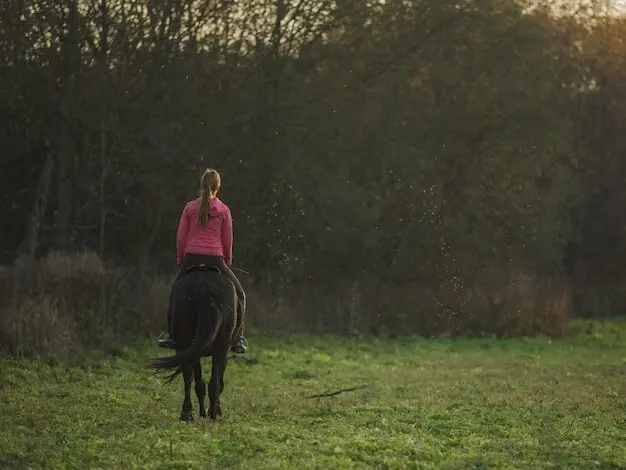
On bridleways, walkers, wheelchair users, mobility scooters, cyclists, and horse riders share space; motor vehicles rarely belong except on designated byways. Expect occasional gates instead of stiles, and give everyone time. A smile, a bell, or a friendly voice turns narrow encounters into easy, cooperative moments.

Surface Clues in Photos and Maps

Official interactive maps, OS mapping layers, and community photos often reveal surface type, drainage, and width. Look for words like firm, compacted, or tarmac, and note puddling after rain. When unsure, plan conservative distances and turnarounds to protect energy, dignity, and a satisfying day’s momentum.

Five Car‑Free Surrey Bridleway Ideas

Consider these approachable ideas as starting points you can tailor to mobility, weather, and mood. Each begins near rail or bus, favors firm sections, and offers natural shortcuts. Always reconfirm current access, surfaces, and seasonal works, then share updates so others benefit from your discoveries.

Guildford River Wey Easy Miles

From Guildford’s step‑free centre, the towpath on the Wey Navigation offers flat, scenic progress with bridges, benches, and café options, then links to nearby bridleways around Bowers Lock and Sutton Park. Watch for occasional narrow gates and considerate cyclists, and savour reflections, reeds, and unhurried waterside wildlife.

Shalford to Bramley Along the Downs Link

Reach Shalford or Guildford by train, roll onto the former railway turned multi‑use trail, and enjoy long, even gradients amid trees and open fields. Surfaces are usually compacted and broad, with frequent passing space and relaxed scenery perfect for confidence building, conversation, photography, and gentle endurance practice.

Denbies and Box Hill Meadows From Dorking
From Dorking stations, quiet lanes and tracks reach the vineyard floor, where broad estate paths and nearby bridleways offer sweeping views without severe climbs. Choose the meadow margins for predictable footing, take breaks at the visitor facilities, and loop back by rail with satisfied legs and bright memories.

A Wheelchair User’s First Country Mile

She practised turning within narrow kiss‑gates at a local park, then chose a station with reliable lifts and a riverside start. A friend scouted gradients beforehand. Together they celebrated reaching a sunlit bench, proving distance matters less than laughter, pacing, and unhurried, repeatable joy.

Toddler Naps and Train Timetables

Parents timed departures after snacks, boarded at the carriage with space for a pram, and picked a bridleway loop with café halfway. When naps arrived, one adult roamed for photos while the other sipped tea, keeping everyone rested, connected, and genuinely excited to return another weekend.

Pacing Recovery With Level Ground

After injury, he feared hills and unpredictable mud. Choosing a rail‑trail delivered steady cadence, while frequent pauses avoided fatigue spikes. Logging sensations instead of distance reframed progress. Finishing shorter than planned still felt victorious because comfort, control, and renewed curiosity outshone any stopwatch number or leaderboard comparison.

Sharing With Horses and Bikes, Calmly and Kindly

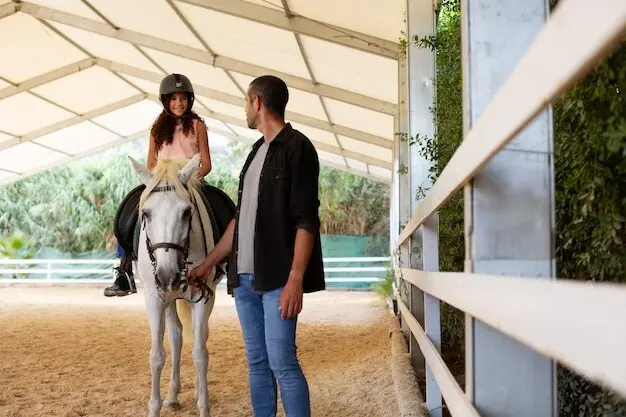
Horses often prefer voices to bells; speak clearly, ask riders for guidance, and pass wide and slow. Cyclists should yield to hooves and walkers, announcing early. Eye contact, patience, and predictable lines of travel keep everyone relaxed, preventing spooks, tangles, and unnecessary dashes through puddles or hedges.

Weather Windows and Winter Workarounds

In wetter months, choose rail‑trails, towpaths, or bridleways across free‑draining soils, and shorten loops. Carry a small sit‑pad for rest at damp benches. Low sunlight dazzles; sunglasses help. Always bring lights for tunnels or dusky returns, and keep an emergency turn‑back point agreed and cheerful.

Wayfinding and Low‑Tech Backups

Waymarks can hide behind brambles or fade on old posts. Save offline maps, carry a paper extract, and note a few grid references. A tiny compass steadies choices at unsigned forks, while recorded landmarks make describing obstacles easier when you later share updates with the community.

Plan, Pack, and Join the Conversation

Small preparations multiply comfort. Pack strategically for the surface you expect, line up facilities that remove stress, and keep contact options ready. Your experiences help others, so swap advice, request company, and celebrate inclusive progress together by commenting, subscribing, and sending honest notes after each outing.

Essentials for Rolling or Walking Comfortably
Bring puncture‑sealant or spare tubes for wheelchairs and buggies, plus a lightweight pump. Add gloves for gates, a compact throw for chilly rests, and snacks easy to open one‑handed. A small power bank keeps phones mapping, photographing, and ready for timetable changes or celebratory selfies.

Facilities That Make Days Easier

Identify accessible toilets, step‑free cafés, and water refill spots near stations and along your route. Many National Trust and council sites publish detailed access pages; bookmark them. Knowing where to pause removes anxiety, supports dignity, and encourages spontaneous extra distance when energy and smiles continue flowing.

Share Your Tracklogs and Insights

If you record a GPX, photos, or short notes on gates, surfaces, and gradients, please post them in the comments or send a message. Your clarity helps families, wheelchair users, and cautious walkers choose joyfully, and we’ll feature highlights in future newsletters with heartfelt thanks.
Livonilozentoveltolaxi
Privacy Overview

This website uses cookies so that we can provide you with the best user experience possible. Cookie information is stored in your browser and performs functions such as recognising you when you return to our website and helping our team to understand which sections of the website you find most interesting and useful.