Trackside to Trail: Wild Encounters on Surrey’s Bridleways
Today we explore wildlife and photography spots along Surrey bridleways you can reach car-free, guiding you from train platforms and bus stops to heathland, chalk ridges, woodlands, and riverside commons. Expect practical planning tips, ethical fieldcraft, gear advice, and story-led micro-adventures that help you move lightly, share paths respectfully with riders, and return with images that celebrate place, season, and the resilient rhythms of nature.

Train-to-trail connections that actually flow

From Box Hill & Westhumble you can reach chalk paths rising toward views within minutes, while Dorking links you to Ranmore’s airy bridleways and vineyard edges. Guildford opens river corridors and steep pulls to St Martha’s and Newlands. Gomshall leads quietly into Hurtwood and Winterfold. Haslemere, Witley, and Milford provide gateways to commons and sandy ridings. Keep transfers simple, accept short rail hops, and choose routes that front-load light and calm.

Packing light without missing the shot

Build a compact kit that favors movement: a small telephoto for birds and deer, a macro for butterflies and textures, and a fast prime for dusk portraits of landscape character. Add a collapsible monopod or beanbag, rain cover, spare batteries, microfiber cloth, thin gloves, and compact binoculars. Pack snacks with quiet wrappers, a soft sit pad, and a tiny first-aid pouch. Every gram you save becomes extra patience you can spend when wildlife finally appears.

Respectful pace on shared paths

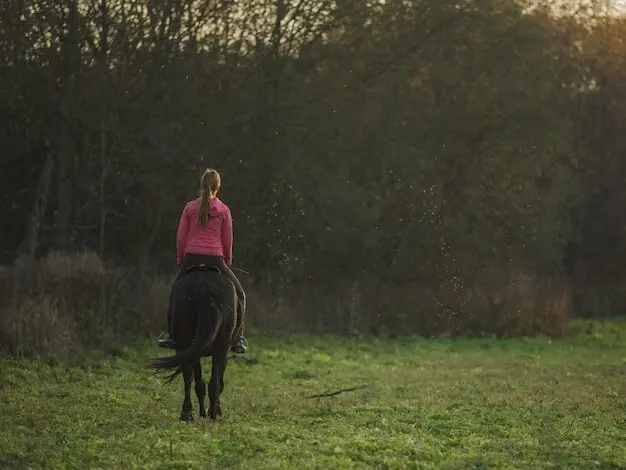
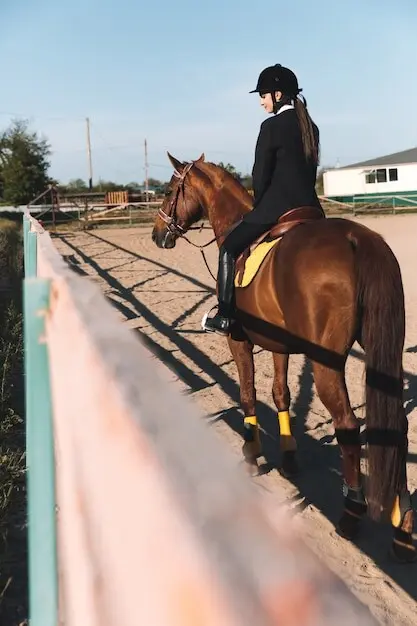
Bridleways are social spaces for riders, walkers, and cyclists. Slow early, signal clearly, and chat courteously when passing horses, letting your voice reassure before you come alongside. Keep to the track, step aside for hooves, and never crowd nesting sites or resting animals. Avoid playback and baiting, leash dogs during sensitive seasons, and leave gates as found. With thoughtful timing and quiet presence, your camera records cooperation as much as beauty.
Dawn and dusk across purple carpets
Arrive before the breeze, when dew pearls each heather spray and skylarks lift like sparks. Keep a respectful distance from ground-nesting birds and scan with binoculars before moving closer. At dusk, listen for nightjar wings and soft calls, then let a higher ISO and steady stance capture mood without intruding. Side light turns gorse into lanterns, while a telephoto compresses rolling color into painterly stripes that suggest quiet rather than spectacle.

Edges, ridings, and safe viewpoints

Work from bridleway verges, ride junctions, and sandy knolls where you can step aside quickly and never trample sensitive patches. Let foreground heather blur into luminous haze by shooting low and slightly uphill, keeping your subject clear of clutter. Avoid straying into restoration areas, respect temporary diversions, and look for natural frames made by young birch and isolated pines. Patience here is softer than silence; animals notice both and reward the gentler one.

Chalk Ridges, Big Skies

Surrey’s chalk escarpments deliver sweeping views, skyscapes, and delicate life clinging to sunlit slopes. Bridleways ribbon across Box Hill, Ranmore, and Hackhurst Downs, threading meadows where orchids bloom and butterflies dance in warm pockets of still air. Wind writes texture on grasses, flocks sketch patterns against the light, and distant towns soften into gentle geometry. With careful steps and patient framing, each rise becomes a studio table set with luminous, living subjects.

Old Woods, Quiet Steps

Leith Hill, Hurtwood, and Winterfold invite unhurried movement beneath layered canopies where light sifts like dust through a cathedral’s high windows. Bridleways fold over roots, switchback across sandy inclines, and open suddenly onto viewpoints brushed with distant blue. Roe deer browse at edges, woodpeckers telegraph presence, and fungi pattern stumps like small constellations. Here, sound cues lead sight; you learn to listen until the composition finally steps into view.

Rivers, Commons, and Easy Evenings

When time is short, the Wey corridor and nearby commons deliver satisfying light, reflective surfaces, and quick escapes into green. Bridleways rise from Guildford toward the Chantries and St Martha’s, while sandy stretches elsewhere hold sun long after work hours. Kingfishers streak electric through shade, wagtails stitch brightness along stones, and bats lift just as your ISO climbs. These sessions teach agility—arrive light, read conditions fast, and let small scenes carry weight.

Where water brightens a frame

Look for ripples that catch sidelight and lead the viewer toward your subject, whether that is a perched bird, a reed cluster, or reflections layering color into gentle abstraction. Shoot slightly higher shutter speeds to freeze a kingfisher’s dart without sacrificing mood. Keep feet dry by planning angles from firm bridleway ground, and use overhanging branches to build depth. Quiet observation along one bend often yields more than chasing the next.

Quick-draw setups for fleeting fauna

Pre-dial exposure for shade with a generous minimum shutter speed, and map autofocus to a back button so reaction beats menu diving. Keep the telephoto ready but not heavy by resting it in your elbow crook. A lightweight strap, compact binoculars, and a small pouch for memory cards minimize faff. Accept that many near-misses train the reflexes that finally land the frame you will remember on the ride home.

Short loops from central stations

Guildford’s proximity to rises and river makes evening loops feel spacious without growing distant. Choose a bridleway climb for sunset and a riverside return under warming streetlights, spacing snacks and water for unrushed shooting. When commuting from other Surrey stations, look for commons or ridges within twenty easy minutes. Planning for small distances preserves attention for light, behavior, and that last image made just before the station clock turns.

Do No Harm, Tell True Stories

Wildlife photography on shared rights of way carries responsibility. Keep distance generous, avoid playback and luring, and never disclose precise locations for sensitive species. Yield to horses and walkers, call out early, and pass wide and slow. Respect seasonal restrictions, restoration areas, and drone limitations. Celebrate ordinary moments—tracks in sand, feather on heather, dew in grass—because truthful details build empathy. Your best image uplifts both subject and path for the people who come after.

Welfare over likes

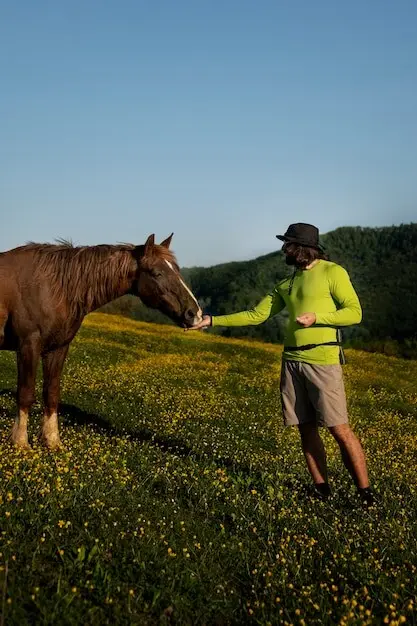
Ask whether your next step improves safety for the animal, the habitat, and other visitors. If any answer wavers, stay back and change the frame. Use longer lenses, quieter shutters, and more time. Let behavior guide composition rather than forcing proximity. Document context so viewers understand how life fits the land. When you decline a risky approach, you gain a clearer conscience and an image that feels earned rather than taken.

Sharing with riders, runners, and families

Horses read body language; make yours calm and audible by greeting riders well before passing. Slow to walking speed, step wide, and never startle from behind. Keep tripods compact until safely off to the side, and guide curious children around sensitive spots with enthusiasm rather than rules alone. The gentler your presence, the more candid smiles and spontaneous conversations fill the day, stitching community into your memory card alongside frames.

Seasonal windows and respectful choices

Ground-nesting season asks for stricter paths and leash use, while hot spells require extra water for you and longer lenses for wildlife space. Winter’s low sun rewards patient midmorning walks, and autumn storms promise dramatic skies if your layers stay dry. Accept temporary closures and diversions as invitations to discover new angles. Ethics practiced repeatedly become habit, and habit shapes images that future visitors will thank you for creating.

Three rail-linked adventures to try

Box Hill & Westhumble to chalk ridge viewpoints at first light, then a slow wander along airy bridleways. Guildford to St Martha’s for sunset, returning by gentle descent under warm clouds. Gomshall into Hurtwood’s forest hush, climbing to a clearing for mist. Each stays compact, invites unhurried pauses, and ends near reliable trains. Adapt for season and mood, knowing the goal is connection, not distance or elevation numbers.

A lean kit that works everywhere

One small telephoto, one macro or close-up filter, a fast normal prime, and a light support solve most scenes without straining shoulders. Add protective layers, headlamp, small power bank, and a fold-flat bag for extra clothing. Keep snacks salty and sweet, water reachable, and maps cached. Fieldcraft, patience, and empathy outperform another kilogram of glass. If your kit encourages curiosity and courtesy, it is already the perfect setup for these journeys.
Livonilozentoveltolaxi
Privacy Overview

This website uses cookies so that we can provide you with the best user experience possible. Cookie information is stored in your browser and performs functions such as recognising you when you return to our website and helping our team to understand which sections of the website you find most interesting and useful.